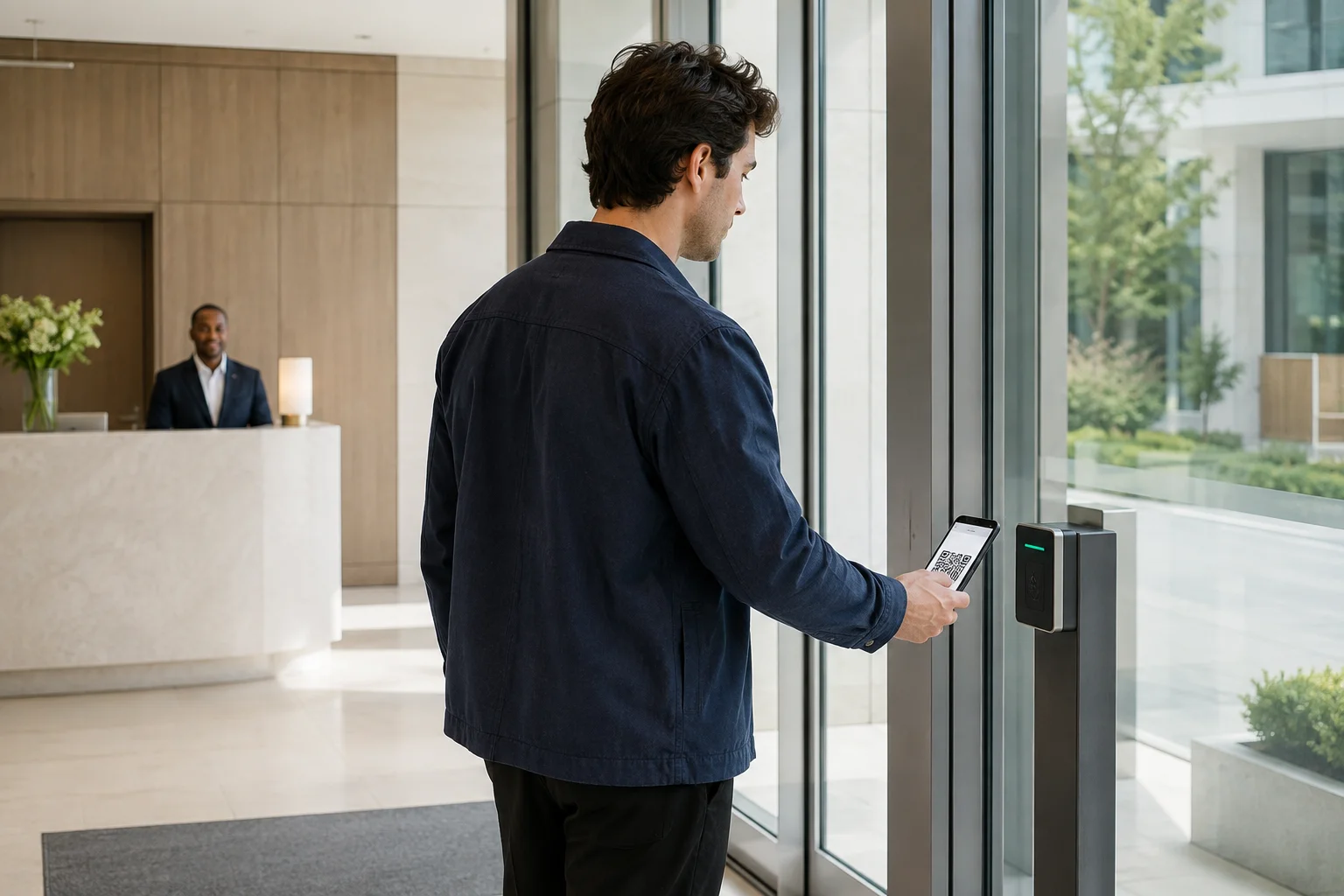
Access
Residents, visitors & vehicles
Mobile credentials, invitations and approved entry workflows for people and parking.
Bring resident services, common-area systems, access, security and facility operations into one coordinated digital environment.
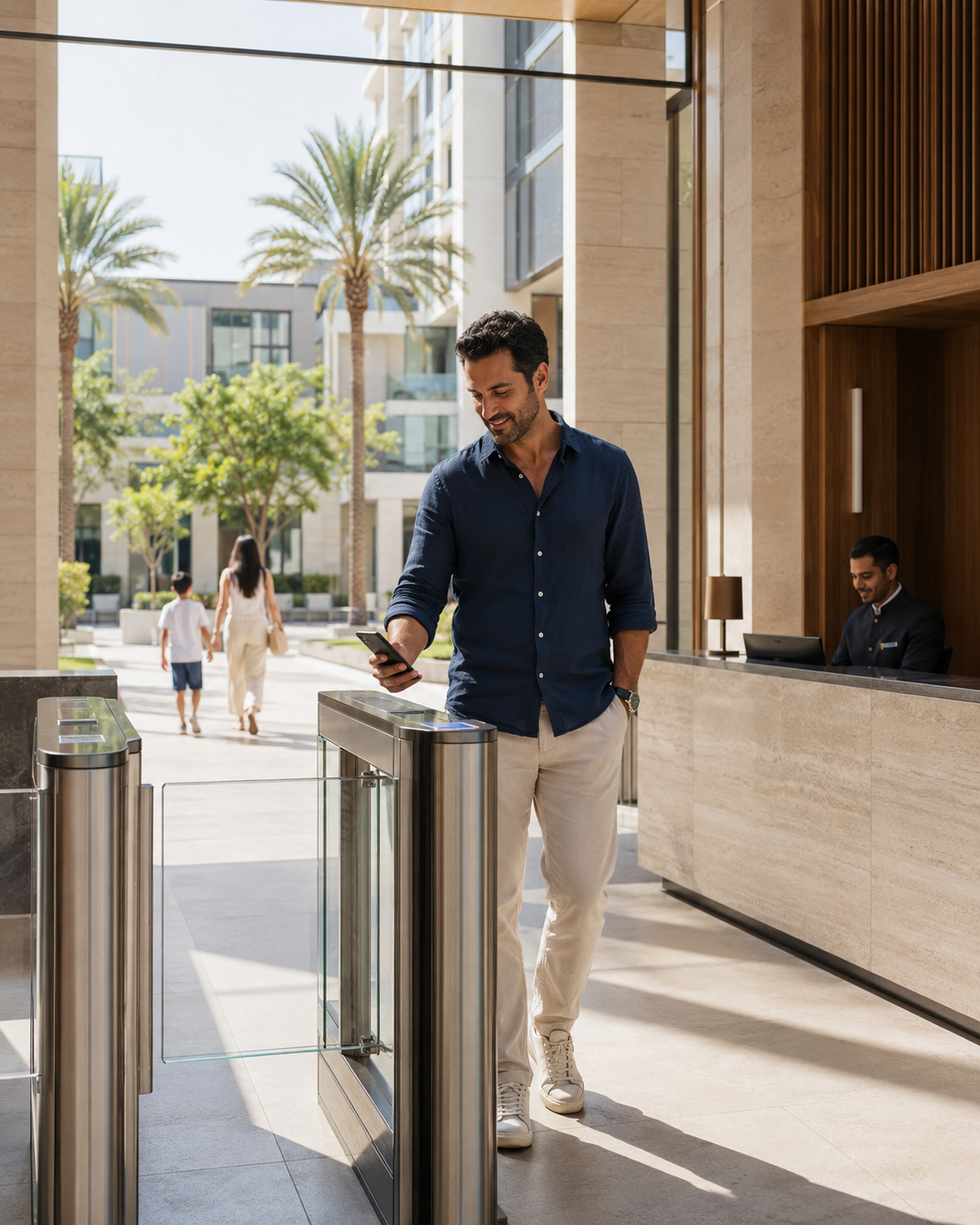
Residents judge technology by the moments it removes friction: entry, visitors, requests, bookings and reliable common areas.
RUNN coordinates the resident-facing digital layer with access control, security, building automation and facility workflows. Developers and property managers receive a solution planned around the actual community journey—from arrival and guest access to amenity use and maintenance communication.
The solution can be phased around the development, management model and available building interfaces.
Mobile credentials, invitations and approved entry workflows for people and parking.
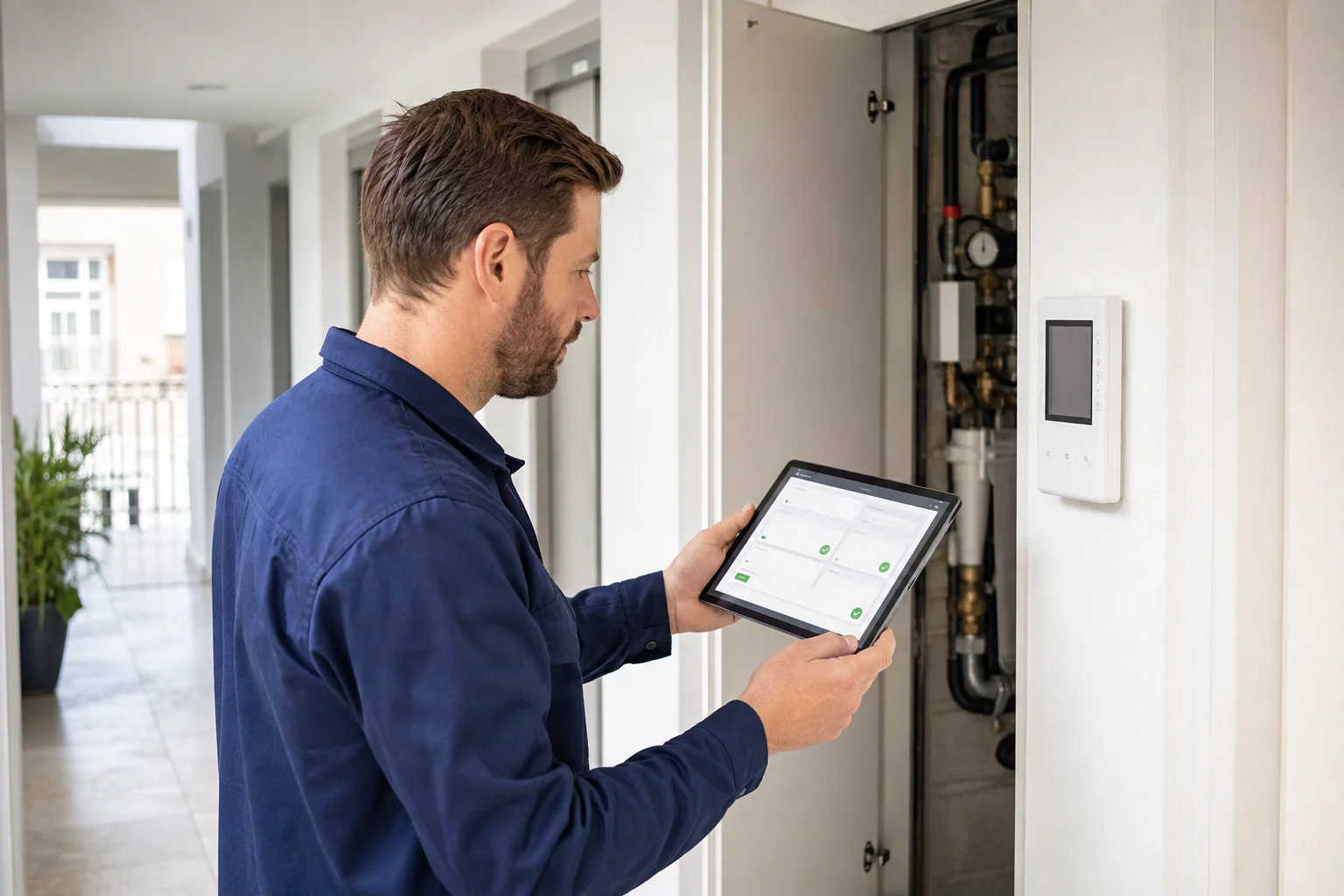
Structured maintenance tickets, notifications and building updates in one resident channel.
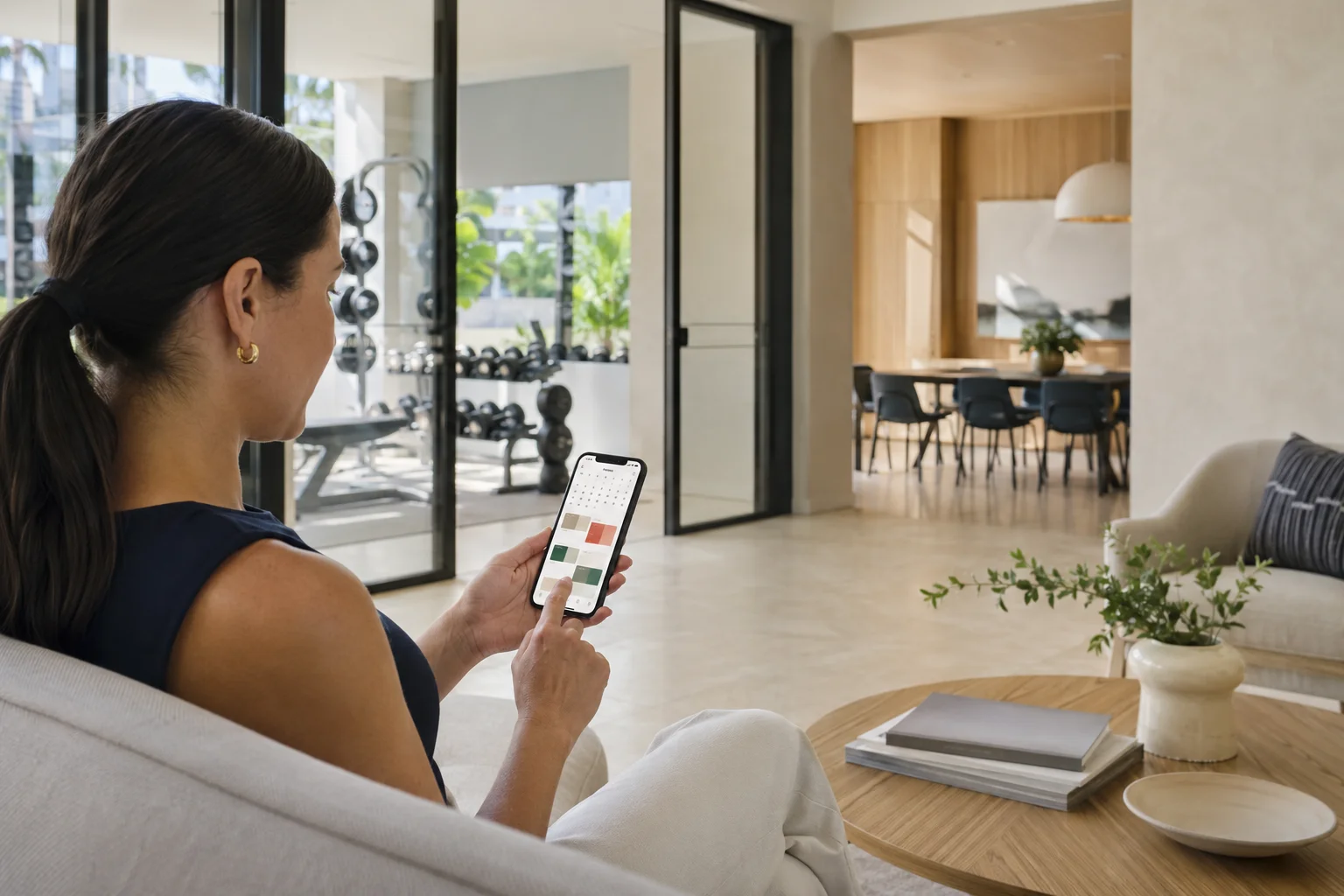
Reservation flows for gyms, lounges, meeting rooms, parking and other shared facilities.
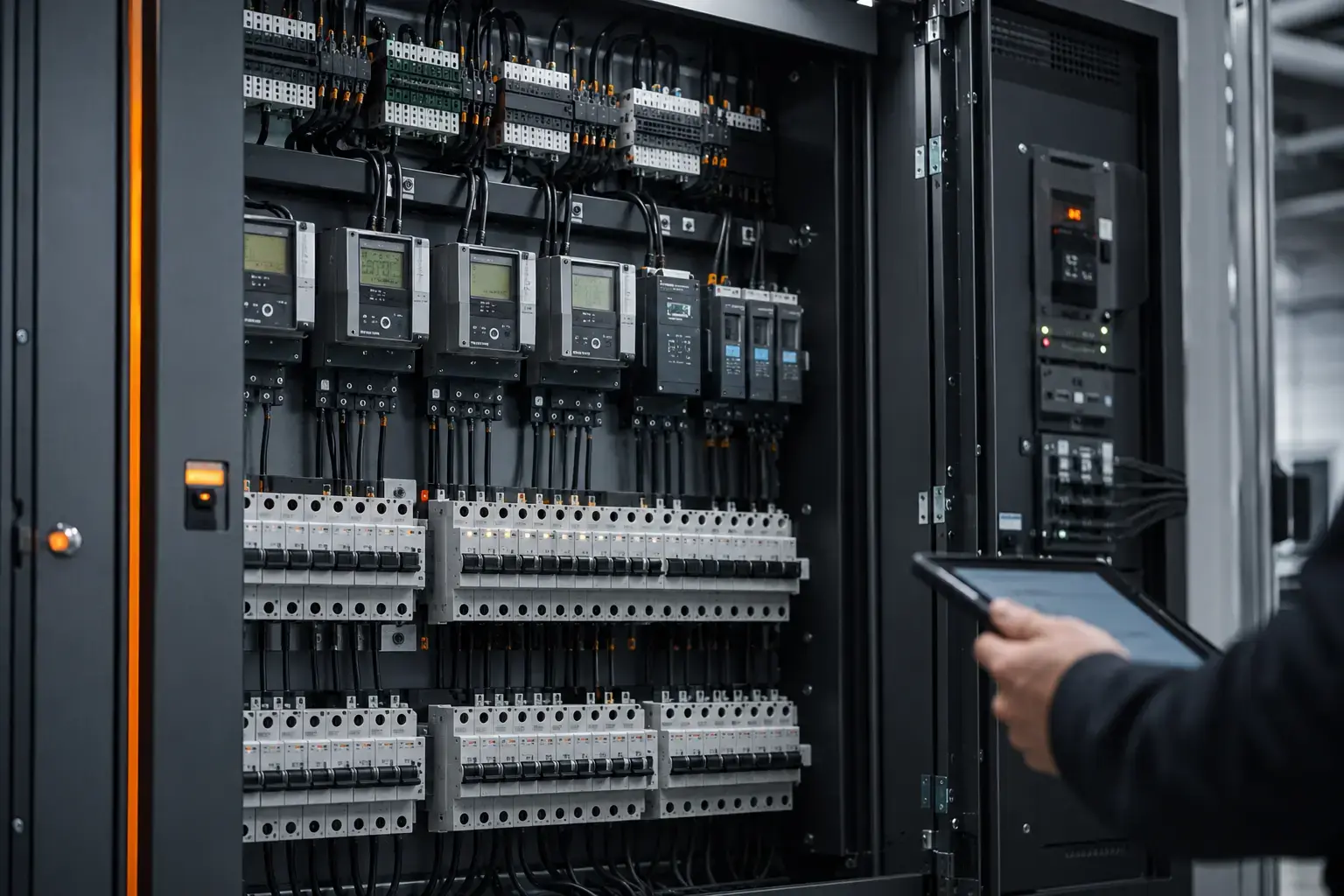
Compatible meters, sensors, lighting, HVAC and plant data connected to facility workflows.
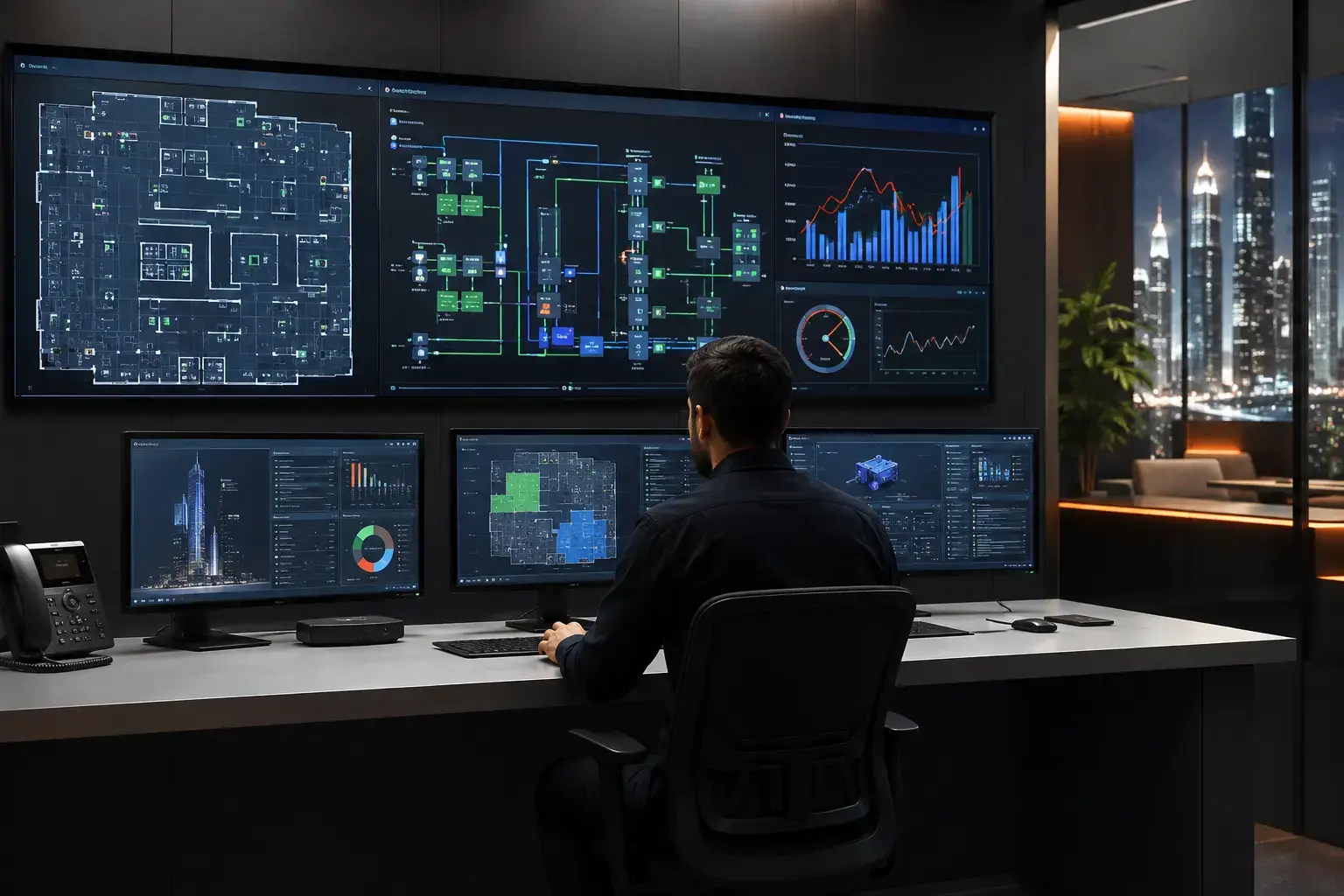
The resident interface is only useful when requests, permissions and notifications connect to a clear operational process.
Simple access to services, updates and approved building features.
A structured view of requests, communications and amenity use.
Relevant equipment events and work priorities connected to operations.
The technical scope changes with the site, users, existing infrastructure and operating model.
Common-area automation and resident services at vertical scale.
Visitor, vehicle, perimeter and shared-facility coordination.
Premium digital services aligned with hospitality standards.
Resident journeys separated cleanly from commercial operations.
A scalable technology concept prepared before construction.
The work stays coordinated from the first survey through testing, training and support.
We review the site, users, project stage, operating model and required outcomes.
The system architecture, responsibilities, integration boundaries and budget approach are defined.
Approved infrastructure, equipment, software and logic are installed, configured and tested.
Users receive the agreed documentation, training and ongoing technical assistance.
Explore the engineering capabilities that support design, integration and long-term operation.
RUNN coordinates the resident experience with the systems and teams operating behind it.
Digital services are planned with access, networks, automation and operator workflows.
Residents, reception, security and facilities receive appropriate permissions and information.
Design, installation, programming, commissioning and support remain coordinated.
It is a residential development where selected resident services, access, security, common-area automation and facility workflows are coordinated through connected systems.
The scope can include visitor invitations, service requests, amenity booking, notifications, selected utility information and compatible access functions.
It may be possible where suitable interfaces, permissions and data are available. RUNN reviews the existing systems before confirming integration.
Yes, the architecture can be designed for several buildings or phases with appropriate separation of users, data and management responsibilities.
No. Community services and common-area systems can be delivered independently, while in-unit automation can be offered as a standard, upgrade or later option.
Early design is best, particularly before access, intercom, network, metering and apartment interface requirements are fixed.
Share the development stage, unit count and required services. RUNN will outline a coordinated smart community concept.
Request a consultationInitial consultation and preliminary concept are free of charge.